

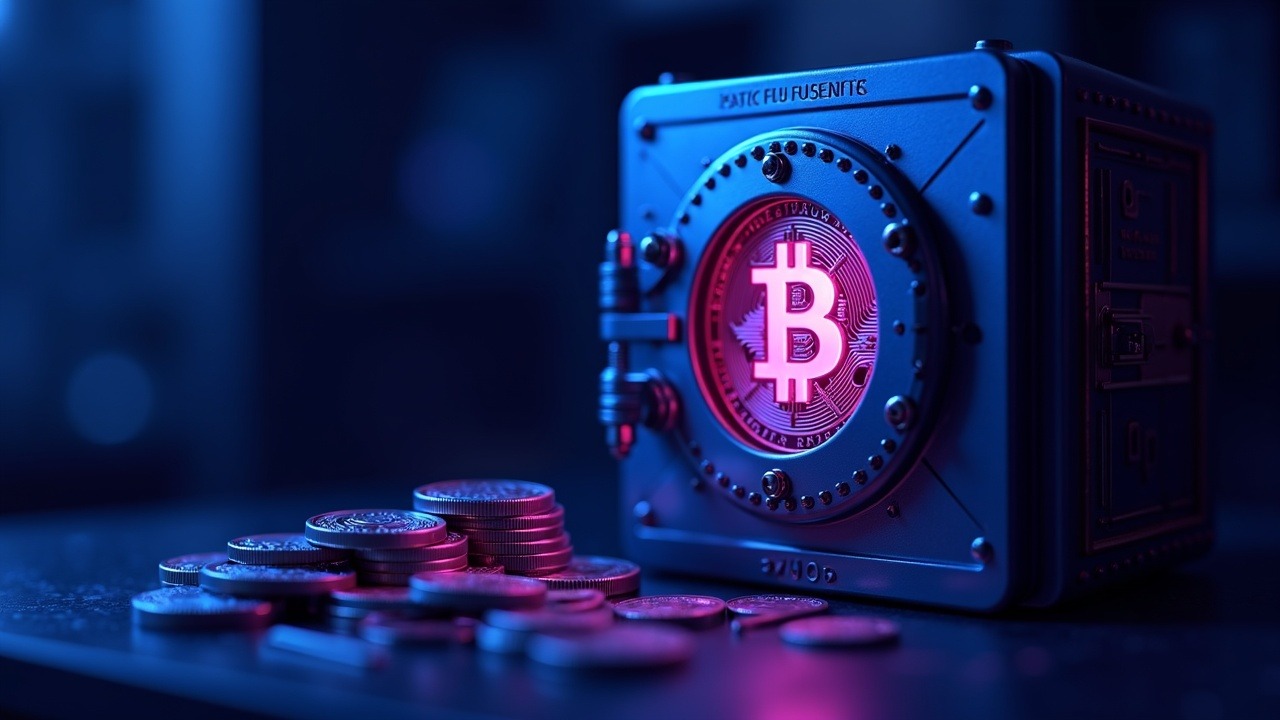
Binance added 4.225 BTC—about $300 million at the time—to its Secure Asset Fund for Users (SAFU), lifting the fund’s Bitcoin balance to 10.455 BTC and putting its notional value at roughly $734 million. This purchase sits inside a broader reserve reallocation plan: Binance is converting up to $1 billion of stablecoin reserves into Bitcoin to reduce stablecoin exposure and reinforce its user protection buffer.
The timing is notable because it comes after a period of price stress when BTC briefly dipped below $60,000, even though this specific tranche was executed at an average of about $70,403.17 per BTC, implying buys as the market rebounded. In portfolio terms, Binance is treating the drawdown window as an opportunity to change the risk mix of its safety reserve rather than leaving it concentrated in stablecoins.
What Binance did and how it changes SAFU’s structure
Binance executed the top-up on February 9, 2026, taking SAFU from roughly 6.230 BTC to 10.455 BTC after adding 4.225 BTC. The context matters: before this top-up, the fund had already converted about $250 million in stablecoins into 3.600 BTC, which is why the latest purchase brings the conversion program toward the “nearing halfway” narrative versus the stated $1 billion target.
The operational headline is simple: SAFU is becoming more BTC-heavy, and that shifts the nature of the buffer from issuer and depeg risk toward market volatility risk. Stablecoins tend to concentrate risk in the issuer and the peg mechanism; Bitcoin concentrates risk in price variability and liquidity conditions during stress.
The top-up rule creates a predictable playbook, but not a risk-free one
Binance also outlined a maintenance mechanism: if SAFU’s value drops below $800 million, it plans to replenish the reserve with additional BTC purchases while pursuing the $1 billion objective. In governance terms, that is a concrete policy lever because it links reserve management to a visible threshold rather than an ad hoc decision.
At the same time, this rule changes how the market should think about reserve stability. A BTC-denominated safety fund can swing materially in mark-to-market terms, which means the “protection headline number” becomes more sensitive to crypto volatility. The top-up threshold is meant to smooth that, but it also implies that in a deeper BTC drawdown Binance may need to buy more BTC to keep the fund above the floor—potentially when liquidity is stressed and execution costs rise.
What users, counterparties, and operators should take away
For users, the immediate implication is a change in the composition of a key safety reserve. The fund is designed to be a protection backstop, and Binance is prioritizing reduced stablecoin-specific exposure even if that introduces more BTC price variability into the buffer. For custodial operations and compliance teams, it also creates clearer traceability: reserve management is being expressed through on-chain BTC holdings plus a defined replenishment trigger, which is easier to monitor than an opaque internal reserve mix.
For investors and counterparties, this reads as both balance-sheet repositioning and signaling. Binance is communicating that stablecoin risk is meaningful enough to diversify away from, while simultaneously committing to a structured approach to keeping SAFU near a $1 billion target. The next practical variable to watch is how often the $800 million threshold is tested and what additional BTC demand that creates, because the conversion program is not finished and the remaining buys will be sensitive to both price and volatility.